Popular Products

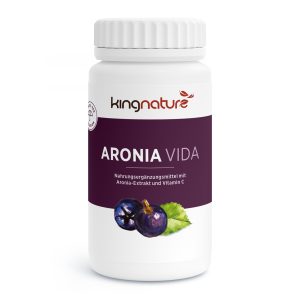
Aronia Vida
€ 79.72
Definition and explanation of the disease: Diverticulitis is an inflammation or infection of diverticula, small protrusions in the intestinal wall. These diverticula develop due to increased pressure in the intestine, often caused by a low-fibre diet or constipation. Normally, diverticula are harmless (diverticulosis), but if they become inflamed, this is known as diverticulitis.
Differences to diverticulosis: Diverticulosis refers to the presence of diverticula, which is usually asymptomatic. Diverticulitis, on the other hand, is characterised by inflammation-related symptoms such as abdominal pain, fever and digestive problems. This requires medical treatment to avoid complications such as abscesses or perforations of the intestine.
Anatomical and genetic factors: Diverticula are small, balloon-like protrusions in the intestinal wall that often form in the colon. Genetic predispositions can increase the tendency to diverticulum formation, as structural weaknesses in the intestinal wall can be hereditary.
Dietary habits and lifestyle: A low-fibre diet can lead to hard stools and increased pressure in the bowel, which promotes the formation of diverticula. An inadequate intake of fibre makes the stool harder to pass, leading to increased straining during bowel movements. This can increase the pressure in the bowel and favour the formation of diverticula.
Other risk factors: Age is a significant risk factor, as the incidence of diverticulitis increases with age. Certain lifestyle habits, such as a high consumption of red meat and little exercise, also increase the risk. Certain medications, such as non-steroidal anti-inflammatory drugs (NSAIDs), can also increase the risk by irritating the intestinal wall and promoting inflammation. Smoking and excessive alcohol consumption are other factors that increase the risk.
Diverticulitis manifests itself through a range of symptoms that can vary from mild to severe. The most common include:
It is important to recognise these symptoms early, as untreated diverticulitis can lead to serious complications such as abscesses, perforations or sepsis. A timely visit to the doctor is crucial in order to make the correct diagnosis and initiate appropriate treatment.
Important diagnostic procedures: Diagnosis usually begins with a thorough medical history and physical examination. A CT scan (computed tomography) is the preferred diagnostic procedure as it provides detailed images of the bowel and can detect inflammation, abscesses or perforations. This procedure is particularly helpful in determining the severity of the inflammation and possible complications.
Blood tests can indicate an increased white blood cell count, which indicates inflammation. Colonoscopy is often avoided if acute diverticulitis is suspected due to the risk of perforation. However, it can be performed after the acute phase to rule out other bowel diseases and assess the condition of the bowel wall.
Differentiation from other diseases: The symptoms of diverticulitis may resemble those of other gastrointestinal diseases such as irritable bowel syndrome, Crohn’s disease, or bowel cancer. Gynaecological problems can also cause similar symptoms. It is therefore important to make an accurate diagnosis and rule out other possible causes through a combination of medical history, physical examination and the diagnostic procedures mentioned above.
Diverticulitis requires comprehensive treatment tailored to the individual patient’s condition.
For diverticulitis, certain supplements can help relieve symptoms and support bowel health. These include:
You should always consult a doctor before taking supplements to ensure that they are suitable for your specific health situation.
These measures help to minimise the risk of diverticulitis and its complications.
These tips can help reduce symptoms and prevent further flare-ups. However, it is important that those affected discuss their individual measures with a doctor.
Diverticulitis is a serious condition caused by inflammation in the diverticula of the bowel. Early detection and treatment are crucial in order to avoid complications. In addition to medical and surgical treatment, diet and lifestyle changes also play an important role in prevention and aftercare. Regular medical check-ups and a healthy lifestyle can help to reduce the risk of diverticulitis and promote well-being.


Make sure that the place of delivery and the language correspond to your region. Otherwise, change your selection:
 Europe
 Switzerland
Europe
Switzerland
Europe Weitere Länder
 English
English
English Deutsch
 Français
 Italiano